




-

CUDA or WebGPU?
The move toward GPU computing is massive and not only driven by AI.The parallel processing capabilities of modern GPUs exceed those of general-purpose CPUs by orders of magnitude. CUDA has become the dominant tool to harness this power. Its performance and flexibility are remarkable, and for many high-end applications, it remains the natural choice. So…
-
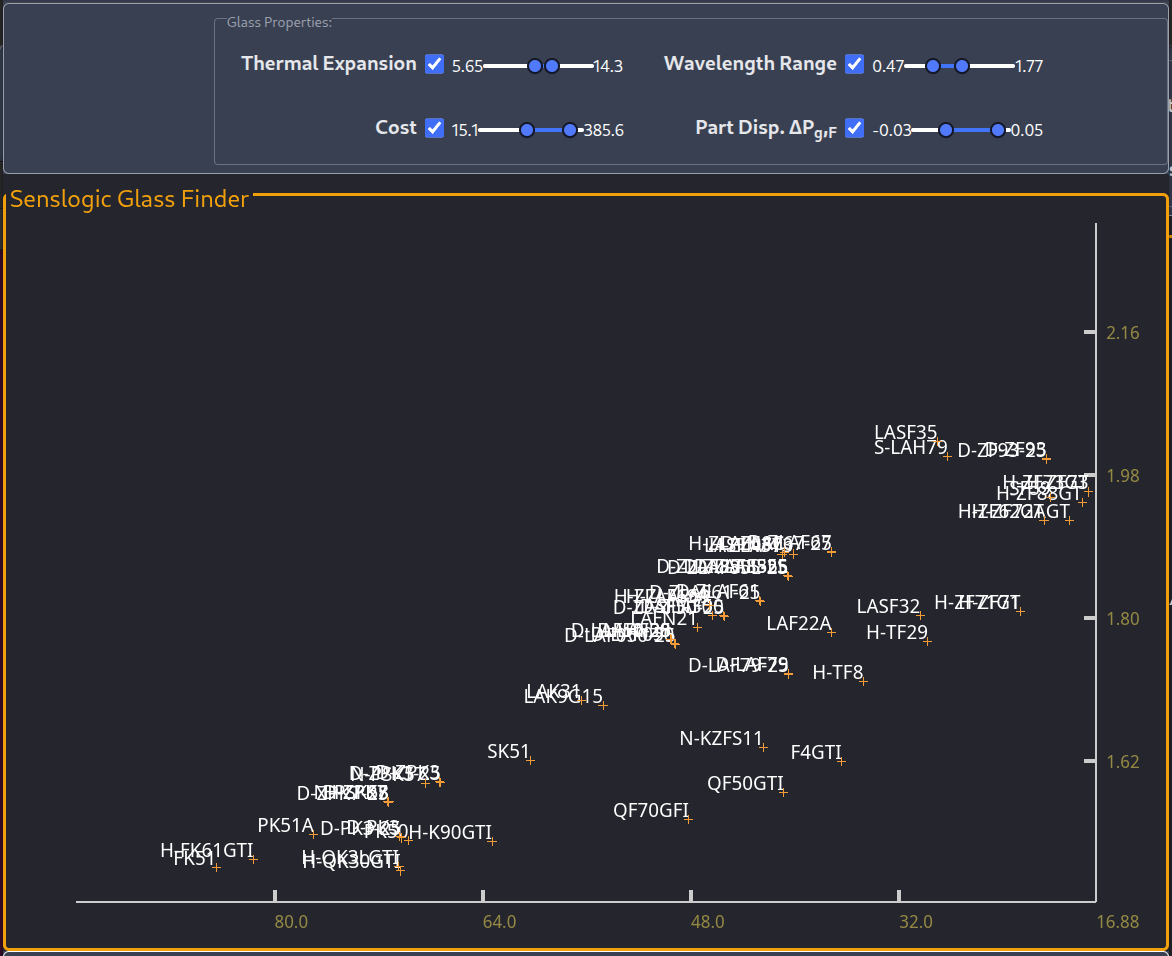
About: Glass Finder
The Glass Finder application is a slice of another project aiming to extend the set of services already offered by Senslogic. But it’s not only that. It’s also a vehicle to specifically improve the quality of software that we deliver. The mission of Senslogic is to enable customers to find the full potential of their…
-

RUST – Not just for programmers
Rust offers an interesting language option for optics and physics modeling. Take a look why Rust may be an option for you
-

It’s Quiet, For a Reason
Working on It You may have noticed the blog’s been a little quiet lately—that’s focus, not neglect. At Senslogic we live by a simple rule: first know what something should be, then show that it is. Solid models first, and then, measure. The Missing Link WaveMe can already measure, align, and inspect like a champ—but…
-
CAD – It’s not just for mechanics, you know
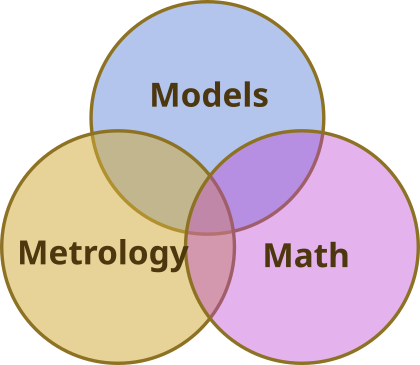
Introduction – Redefining CAD When most people hear “CAD,” they think of 3D mechanical design software, like SolidWorks, AutoCAD or CATIA. It’s a natural association: the tools are visual, tactile, and tangible. But should CAD, in its literal sense—using computers to aid in design—be limited to just this mechanical space? It’s a leading question, I…
-
Interferometer – or – Wavefront Sensor
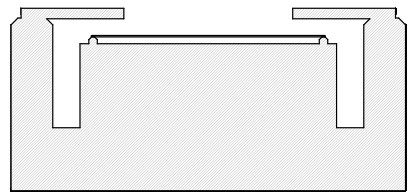
Technology continues to advance, and so do wavefront sensors. One notable improvement has been in wavefront sampling density. Examples of such sensors include the HASO LIFT sensors from Imagine Optics and the QWLSI sensor by Phasics. Each uses a different technique to achieve higher sampling density. The LIFT technique—short for Linearized Focal-plane Technique—is a modern…