




-
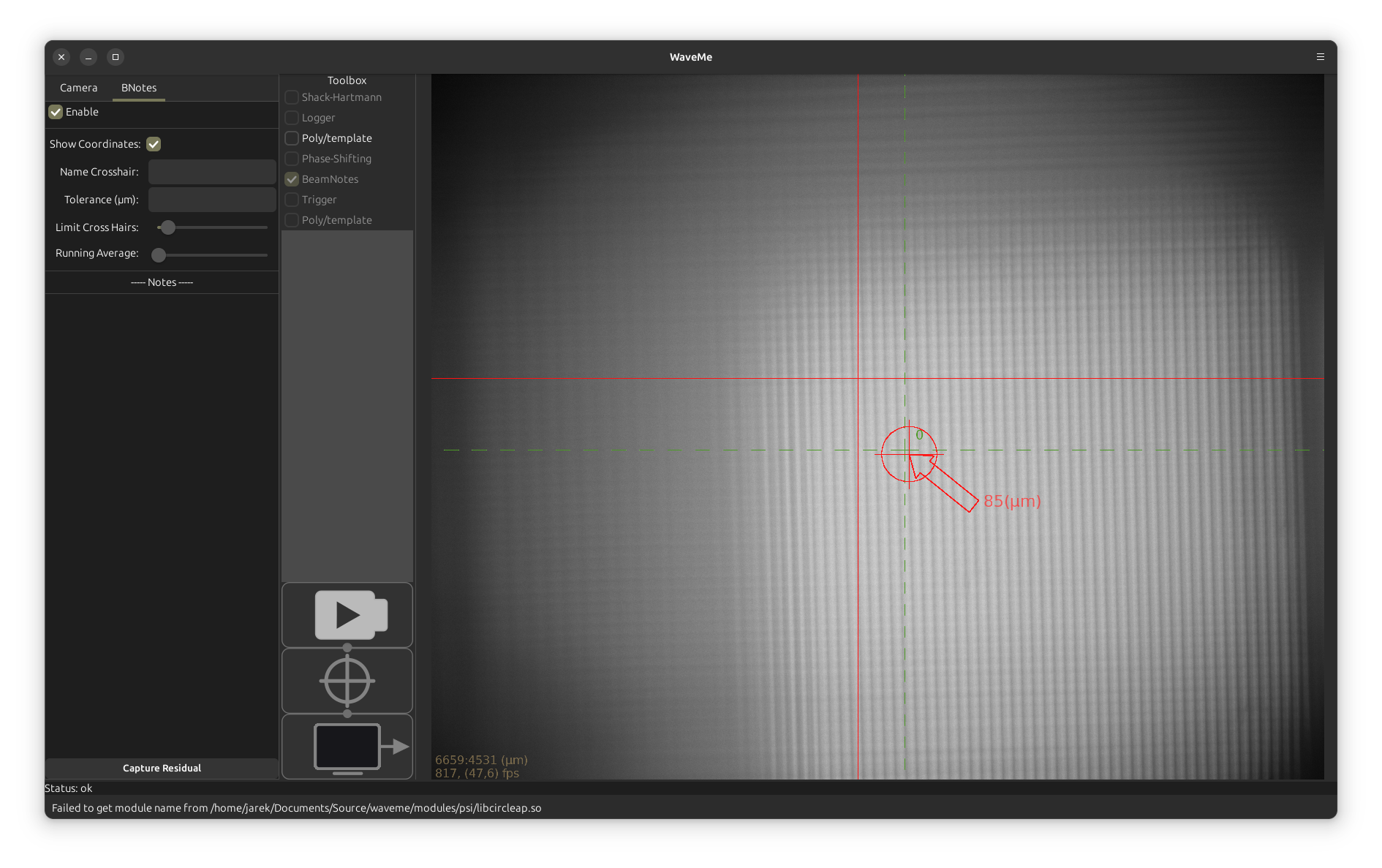
Using BeamNotes
BeamNotes shortcuts WaveMe directs keystrokes to the currently selected plugin, and the compositor window captures them. This is built into the plugin API, and all plugins behave this way. When we enable the BeamNotes plugin, keyboard shortcuts control the management of crosshairs. The BeamNotes plugin will always show a target symbol placed at the centroid…
-
CUDA or WebGPU?
The move toward GPU computing is massive and not only driven by AI.The parallel processing capabilities of modern GPUs exceed those of general-purpose CPUs by orders of magnitude. CUDA has become the dominant tool to harness this power. Its performance and flexibility are remarkable, and for many high-end applications, it remains the natural choice. So…
-
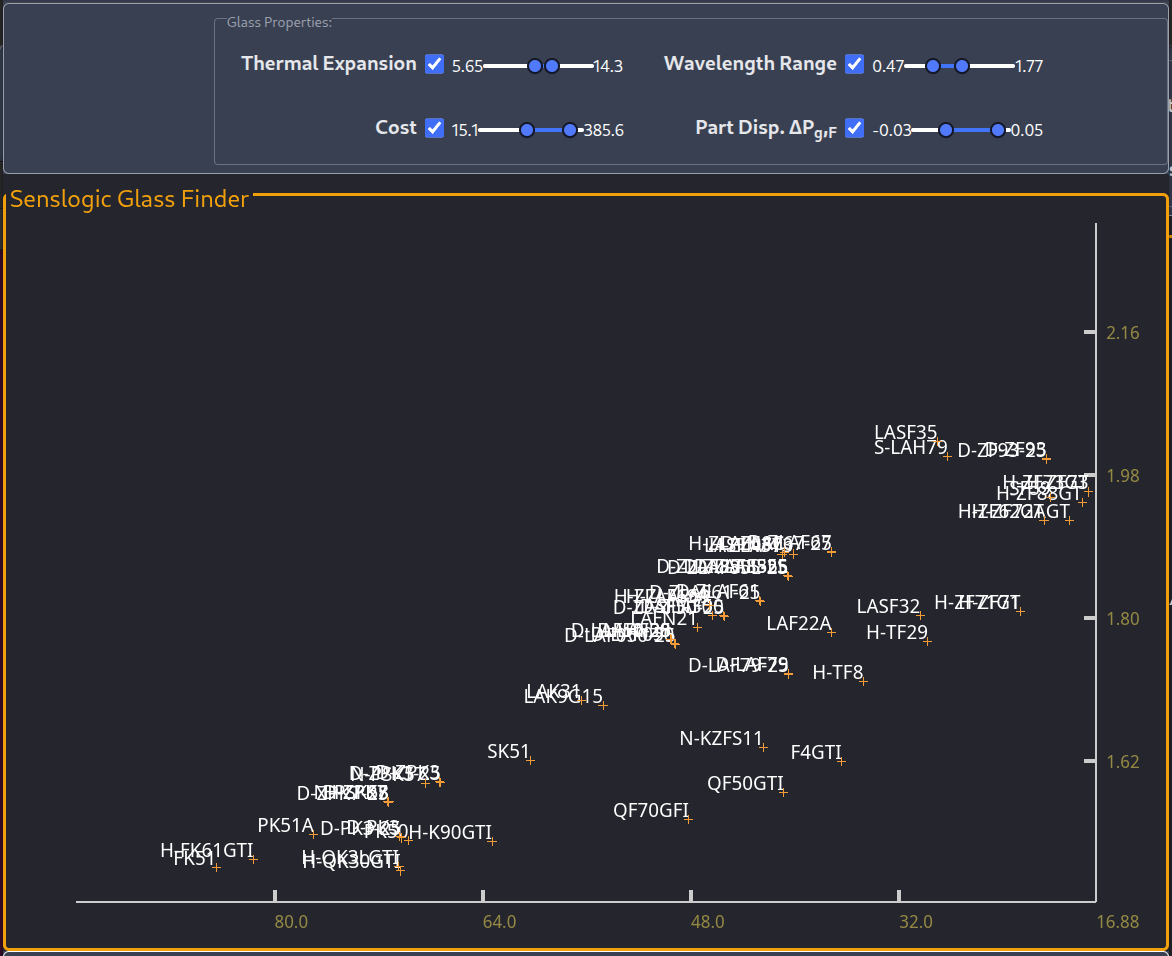
About: Glass Finder
The Glass Finder application is a slice of another project aiming to extend the set of services already offered by Senslogic. But it’s not only that. It’s also a vehicle to specifically improve the quality of software that we deliver. The mission of Senslogic is to enable customers to find the full potential of their…
-

RUST – Not just for programmers
Rust offers an interesting language option for optics and physics modeling. Take a look why Rust may be an option for you
-

It’s Quiet, For a Reason
Working on It You may have noticed the blog’s been a little quiet lately—that’s focus, not neglect. At Senslogic we live by a simple rule: first know what something should be, then show that it is. Solid models first, and then, measure. The Missing Link WaveMe can already measure, align, and inspect like a champ—but…
-
Physical Optics On the Nvidia GPU
Intro For most of my career in optics, I have been simulating imaging of spatial light modulators, and mostly, SLMs illuminated with partially coherent sources. Usually, the FFT makes a fairly swift job of it, for a single image at least. Sometimes, though, One needs to do a lot of simulations. One such example is…
Category: Software
Topic related to software and module development