


-
Physical Optics On the Nvidia GPU
Intro For most of my career in optics, I have been simulating imaging of spatial light modulators, and mostly, SLMs illuminated with partially coherent sources. Usually, the FFT makes a fairly swift job of it, for a single image at least. Sometimes, though, One needs to do a lot of simulations. One such example is…
-
Instant Vision
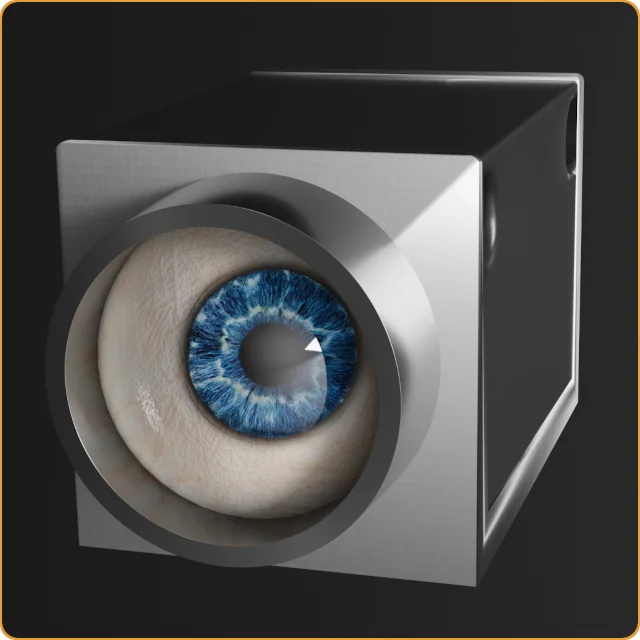
Why WaveMe Looking for a solution that involves a vision camera? Want a high-performance application that lets you call the shots? Then you should have a look at WaveMe. WaveMe is a platform that solves the common problems you will encounter when building vision applications that need access to high-end graphics. WaveMe is for you…
-
System Integrator’s Dilemma
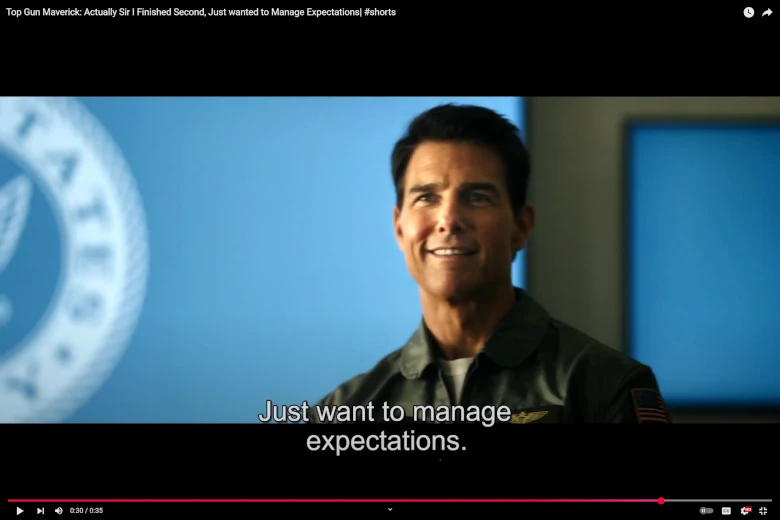
This Tech-Talk is about technology development in general, but perhaps more specifically, incremental technology development. It is obviously influenced by my own experience in the optics industry where the optical module is but one component in a larger system combining diverse engineering disciplines ranging from mechanics, optics, mathematics and software. Expectations – make sure to…
-
Can AI Do Your Code?
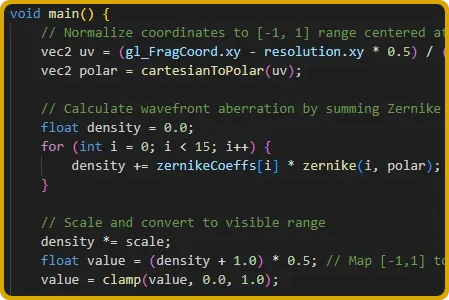
I guess I am on a mission, a mission to moderate the awe people seem to be struck with related to AI. Since I’m into optics, I write a lot of code, all sorts of code, and obviously I’m interested to spend as little time as I can doing it. Before I added Zernike plotting…
-
Physical Modeling and OSS
Introduction Wtih this tech talk, I would like to offer some perspective on building a physical modeling framework with Open Source Software. This is something I’ve done for a very long time and found very rewarding. Why – and – When First, we need to go back to why would you do it? Isn’t Zemax,…
-
Open-Source & Gitlab Access
Open Tools for the WaveMe Ecosystem Starting today, we are moving WaveMe templates and all open-source code to a self-hosted Gitlab environment. Senslogic is an optics consulting company with extensive experience in software development and physical optics simulations. While much of the code we develop is proprietary, some of it is better suited for educational…